Home » Map of Ancient India

Map of Ancient India

2–3 minutes

Table of Contents: Map of Ancient India

Explore our collection of historical maps visualizing the Indian subcontinent across time. From reconstructions of ancient empires to detailed colonial surveys, these artifacts reveal evolving geographical knowledge and shifting perspectives on “Ancient India.” Discover how early, text-influenced understandings transformed with exploration and strategic interests. Each map offers a unique window into the past, illustrating the interplay of geography, politics, and cartography in representing this pivotal region.

These maps trace the very concept of “Ancient India,” encompassing diverse empires and cultures. Early depictions often highlight major powers like the Mauryan Empire. Later colonial-era maps show a more detailed subcontinent, driven by administration. Examining these interpretations enriches our appreciation for the historical geography of India and its changing representation on the world stage.

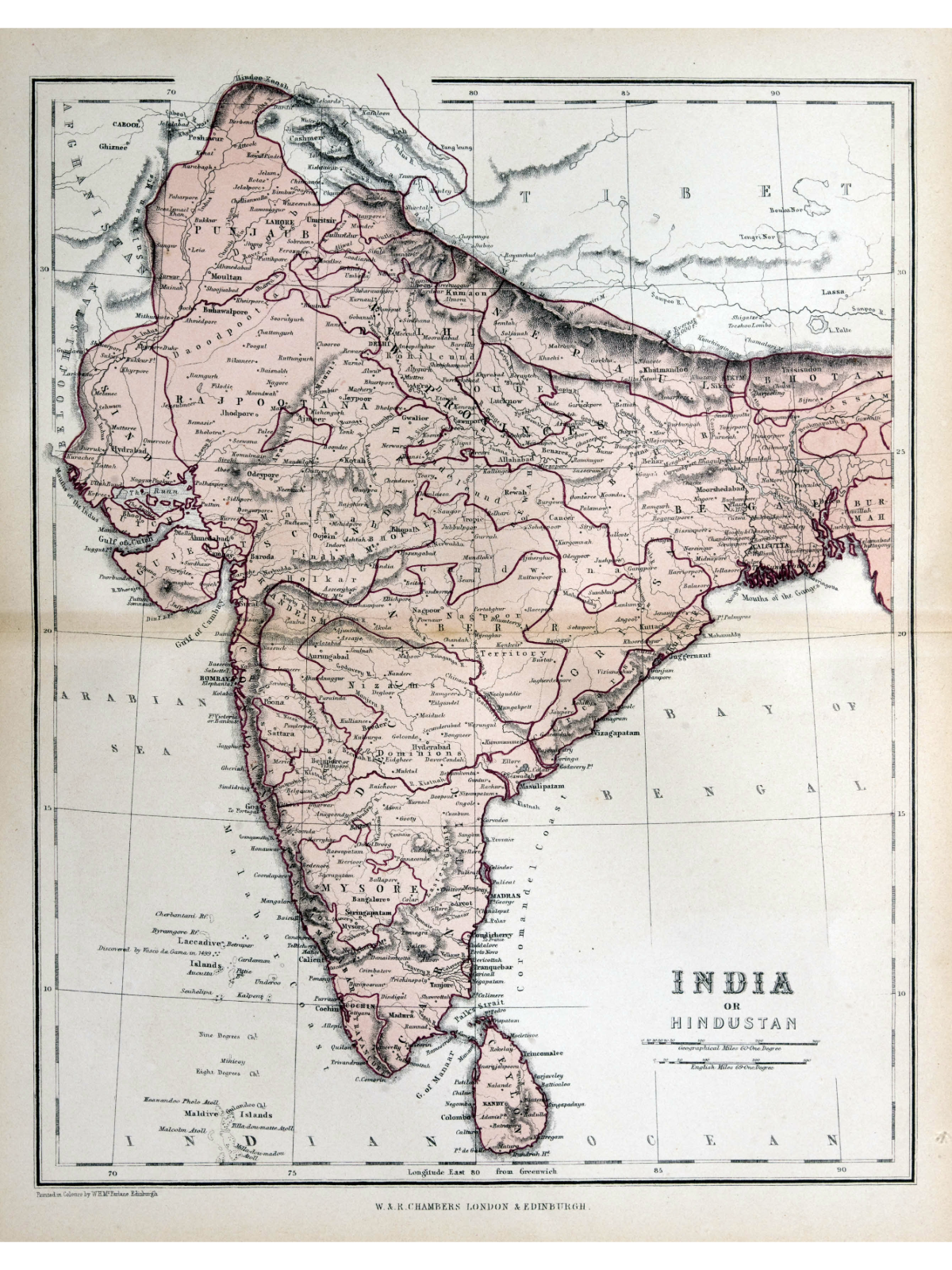
Ancient Greece map Map of Ancient India – A Historical Cartographic Representation

*Creator: Likely influenced by James Rennell and the Survey of India.
*Publication Year: 1870
*Title Translation: India on Hindustan.
*Publisher Location: Not explicitly stated.
*Regions Depicted: The Indian subcontinent (“India on Hindustan”).
*Historical Context: British colonial interests and administration in India.
*Key Features: Likely accurate for the time, potentially showing administrative divisions.
*Scale: Present on the original map.

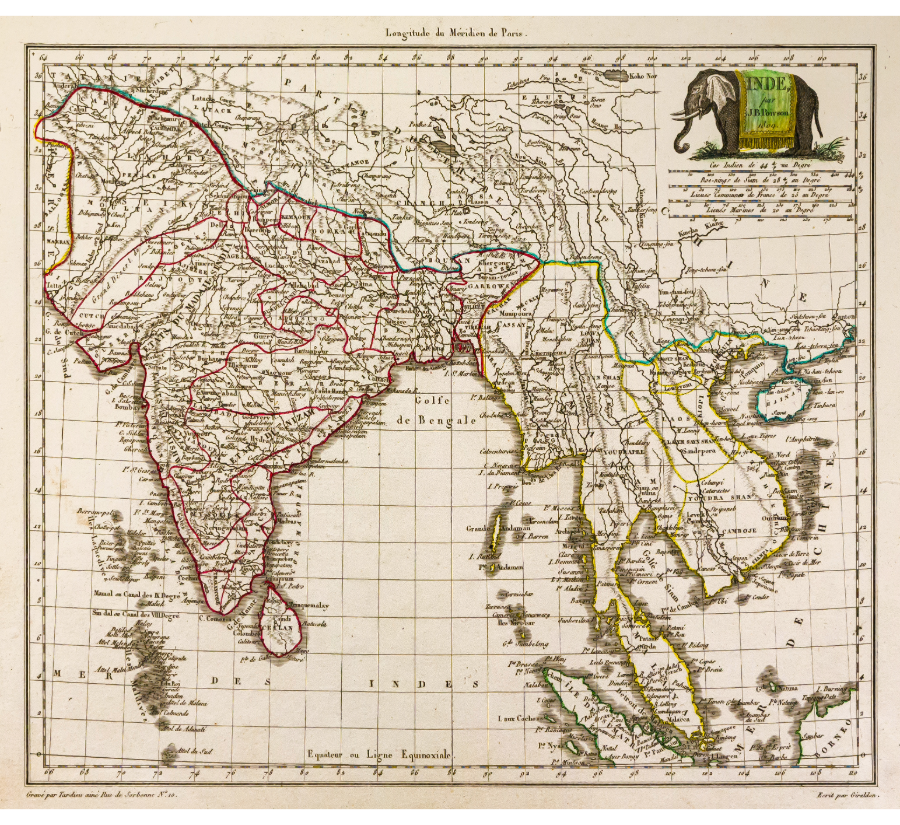
Ancient Greece mapCarte de l’Inde et de l’Asie Sud-Est – Poirson et Malte-Brun, 1812

*Creator: Poirson and Malte-Brun
*Publication Year: 1812
*Title Translation (if applicable): Map of India and Southeast Asi
*Publisher Location (if applicable): Likely Paris (based on French creators)
*Regions Depicted: India (“Inde,” “Hindoustan”), Southeast Asia
*Historical Context: Early 19th-century colonial era, French geographical scholarship.
*Key Features: Political boundaries, place names (in French), “Golfe de Bengale” (Bay of Bengal), elephant illustration, distance scale (upper right).
*Scale: Present in the upper right corner.

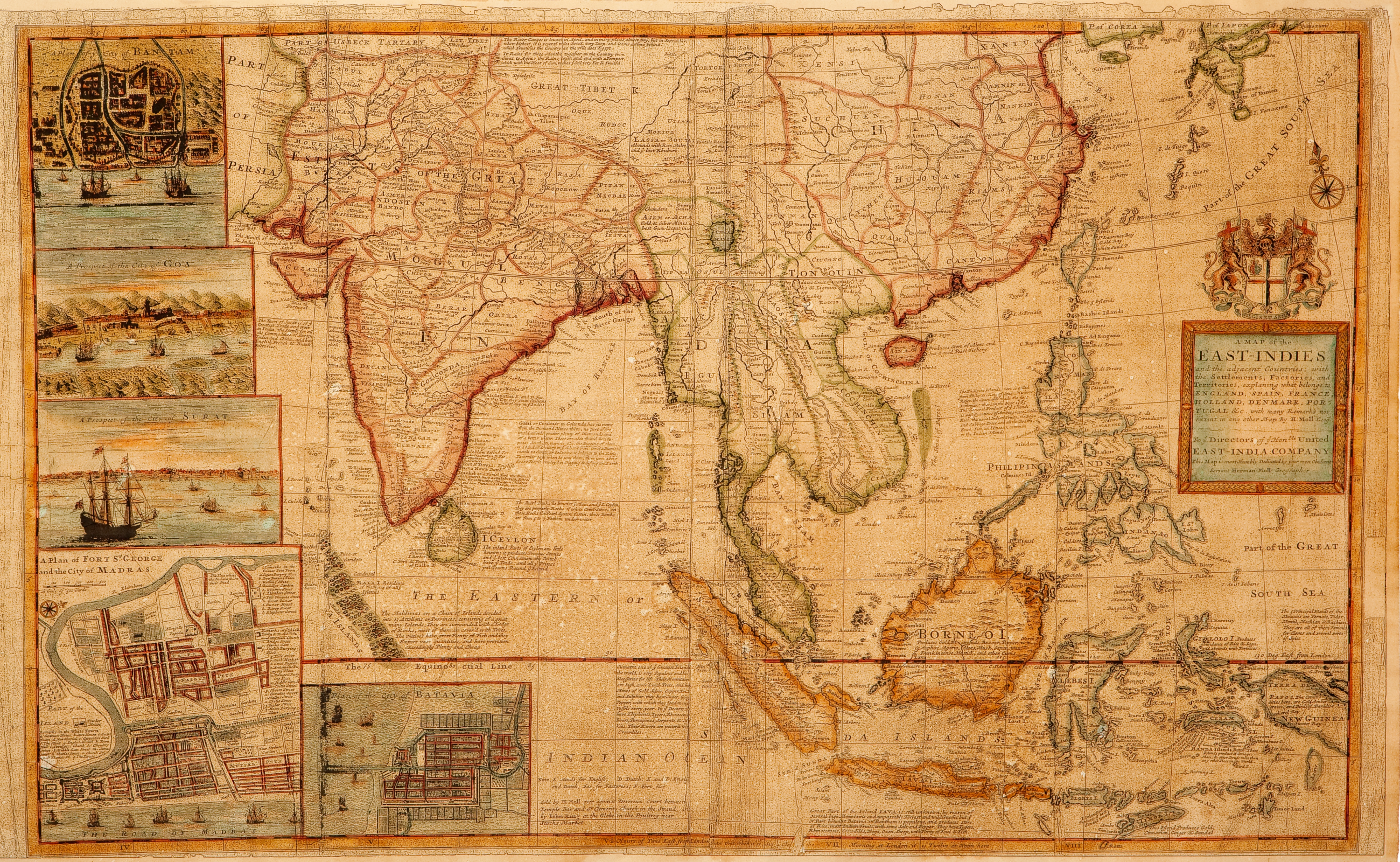
Ancient Greece map East-Indies and the Adjacent Countries – Herman Moll (c. 1687)

Map of ancient India 1687
*Creator: Herman Moll
*Publication Year: c. 1687
*Region Depicted: East Indies (Southeast Asia, primarily Malay Archipelago)
*Historical Context: European colonial expansion and trade in the East Indies.
*Key Features: Geographical boundaries, colonial possessions (English, Spanish, French, Dutch, Danish, Portuguese), settlements, factories, territories.
*Scale: Likely included on the original map.


Exhibition | Definition | Historical Context

“Exhibition” Pronunciation: /ˌɛksɪˈbɪʃən/ (ek-si-BISH-uhn) Part of Speech: Noun Exhibition Definition: An exhibition is a public display of objects, artworks, artifacts, […]


"Archaeologists carefully excavate an ancient site using trowels and brushes, uncovering artifacts and skeletal remains in stratified soil layers under a bright sun. Team members document findings with cameras and notebooks."

Excavation

“Excavation “ Pronunciation: /ˌekskəˈveɪʃən/ (EK-skuh-VAY-shuhn) Part of Speech: Noun Excavation Definition: Excavation, in an archaeological context, is the systematic and […]


Restoration Definition: *"Sunlit Roman arches at Uthina archaeological site in Tunisia, showing well-preserved brick-and-stone construction from the 1st century CE Augustus-era colony, with arid hills in the background."*

Restoration

“Restoration “ Pronunciation: /ˌrɛstəˈreɪʃən/ (res-tuh-RAY-shuhn) Part of Speech: Noun Restoration Definition: Restoration, in the context of archaeology and cultural heritage, […]


Artifact

“Artifact “ Pronunciation: /ˈär-tə-ˌfakt/ (AR-tuh-fakt)Part of Speech: Noun (common, concrete) “Artifact” Definition An artifact is any object made, modified, or used by humans, offering […]


Equestrian Statue of Marcus Aurelius​

The magnificent Equestrian Statue of Marcus Aurelius​, a testament to Roman imperial power, stands as a symbol of leadership and […]


Historical Artifacts

Historical artifacts are the physical embodiment of human progress, preserving the ingenuity, beliefs, and daily lives of civilizations across time. […]


Assyria Map

The maps discussed here—spanning from 1642 to 1869—not only reflect European cartographic traditions but also inadvertently reveal the enduring legacy […]


The quartzite sarcophagus from the tomb of Tutankhamun (KV62), featuring winged figures of the goddesses Isis and Nephthys carved in a protective embrace. The sarcophagus housed three coffins containing Tutankhamun’s mummy and remains on display in the tomb, offering insights into royal funerary practices and New Kingdom art. King tut Sarcophagus

King Tut Sarcophagus

The allure of King Tuts Sarcophagus, with its golden treasures and enigmatic history, continues to captivate the world. At the […]


ground-level view of Tuzigoot National Monument, an ancient Sinagua pueblo ruin perched on a hilltop in the Verde Valley, Arizona. The stone structures overlook a scenic landscape of desert vegetation, green valleys, and distant mountains

Tuzigoot National Monument

The fascinating ruins of Tuzigoot National Monument offer a compelling glimpse into the lives of the Sinagua people, revealing their […]


Ancient Mediterranean Map

This selection of Ancient Mediterranean maps illuminates the 17th-century Mediterranean, a pivotal era marked by increasing Northern European influence in […]


Map of Ancient Israel

This collection traces the evolving visual history of Jerusalem and ancient Palestine through six distinct maps, spanning nearly fifteen centuries. […]


Map of Ancient India

Explore our collection of historical maps visualizing the Indian subcontinent across time. From reconstructions of ancient empires to detailed colonial […]