Home » Map of Ancient India

Map of Ancient India

2–3 minutes

Table of Contents: Map of Ancient India

Explore our collection of historical maps visualizing the Indian subcontinent across time. From reconstructions of ancient empires to detailed colonial surveys, these artifacts reveal evolving geographical knowledge and shifting perspectives on “Ancient India.” Discover how early, text-influenced understandings transformed with exploration and strategic interests. Each map offers a unique window into the past, illustrating the interplay of geography, politics, and cartography in representing this pivotal region.

These maps trace the very concept of “Ancient India,” encompassing diverse empires and cultures. Early depictions often highlight major powers like the Mauryan Empire. Later colonial-era maps show a more detailed subcontinent, driven by administration. Examining these interpretations enriches our appreciation for the historical geography of India and its changing representation on the world stage.

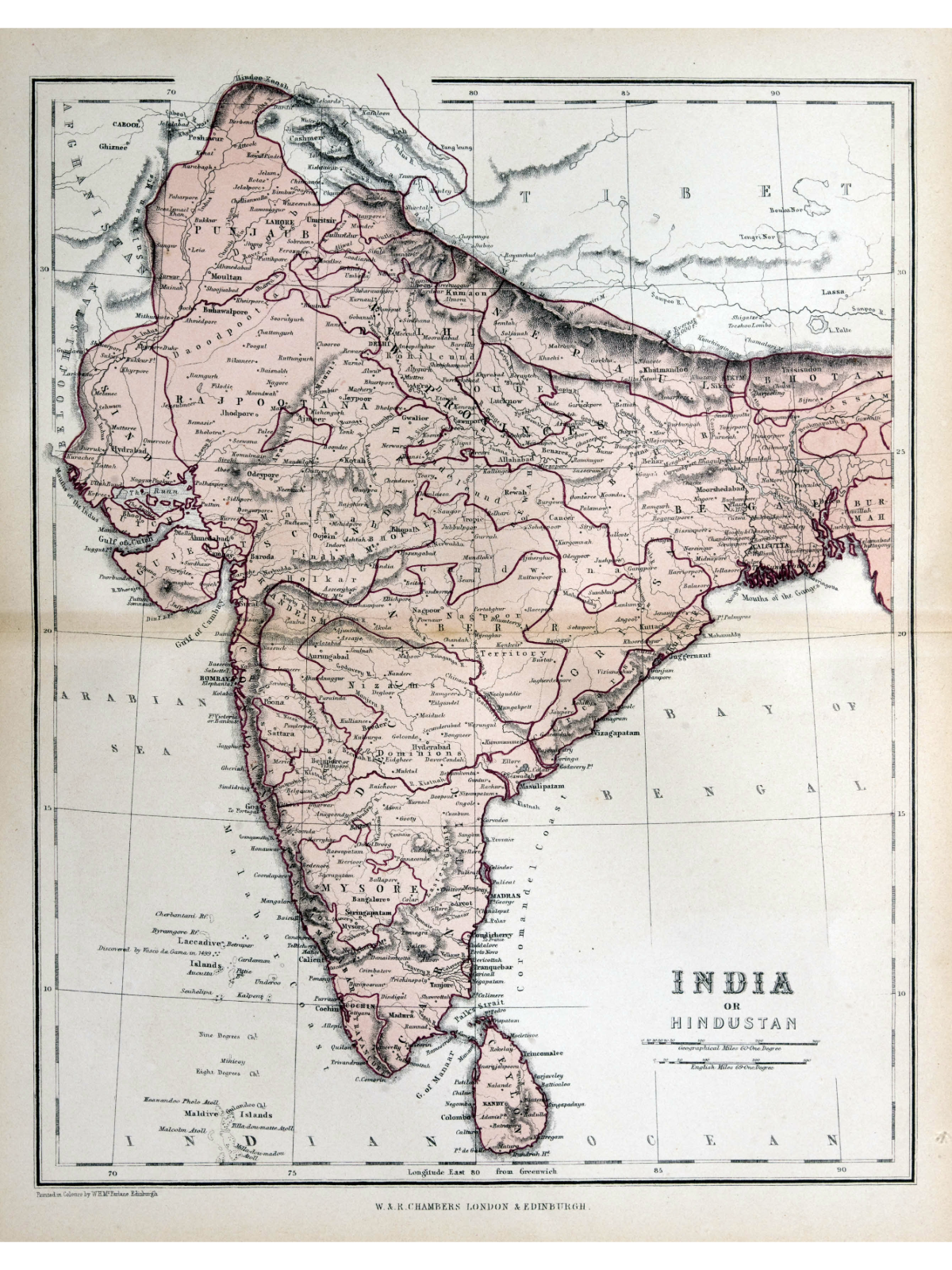
Ancient Greece map Map of Ancient India – A Historical Cartographic Representation

*Creator: Likely influenced by James Rennell and the Survey of India.
*Publication Year: 1870
*Title Translation: India on Hindustan.
*Publisher Location: Not explicitly stated.
*Regions Depicted: The Indian subcontinent (“India on Hindustan”).
*Historical Context: British colonial interests and administration in India.
*Key Features: Likely accurate for the time, potentially showing administrative divisions.
*Scale: Present on the original map.

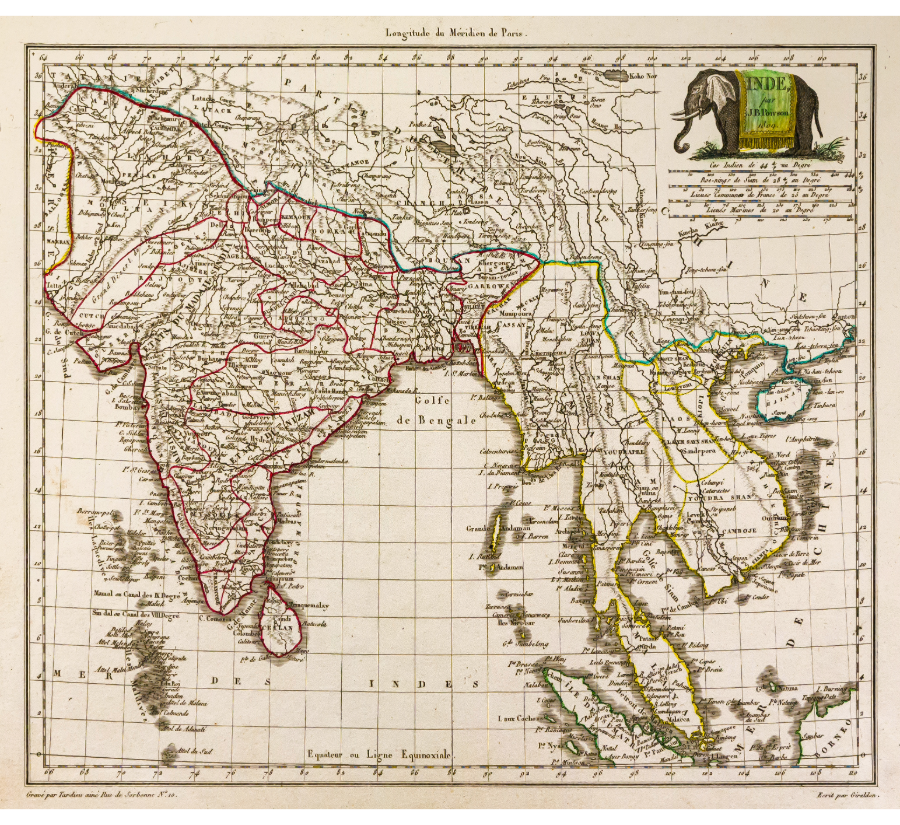
Ancient Greece mapCarte de l’Inde et de l’Asie Sud-Est – Poirson et Malte-Brun, 1812

*Creator: Poirson and Malte-Brun
*Publication Year: 1812
*Title Translation (if applicable): Map of India and Southeast Asi
*Publisher Location (if applicable): Likely Paris (based on French creators)
*Regions Depicted: India (“Inde,” “Hindoustan”), Southeast Asia
*Historical Context: Early 19th-century colonial era, French geographical scholarship.
*Key Features: Political boundaries, place names (in French), “Golfe de Bengale” (Bay of Bengal), elephant illustration, distance scale (upper right).
*Scale: Present in the upper right corner.

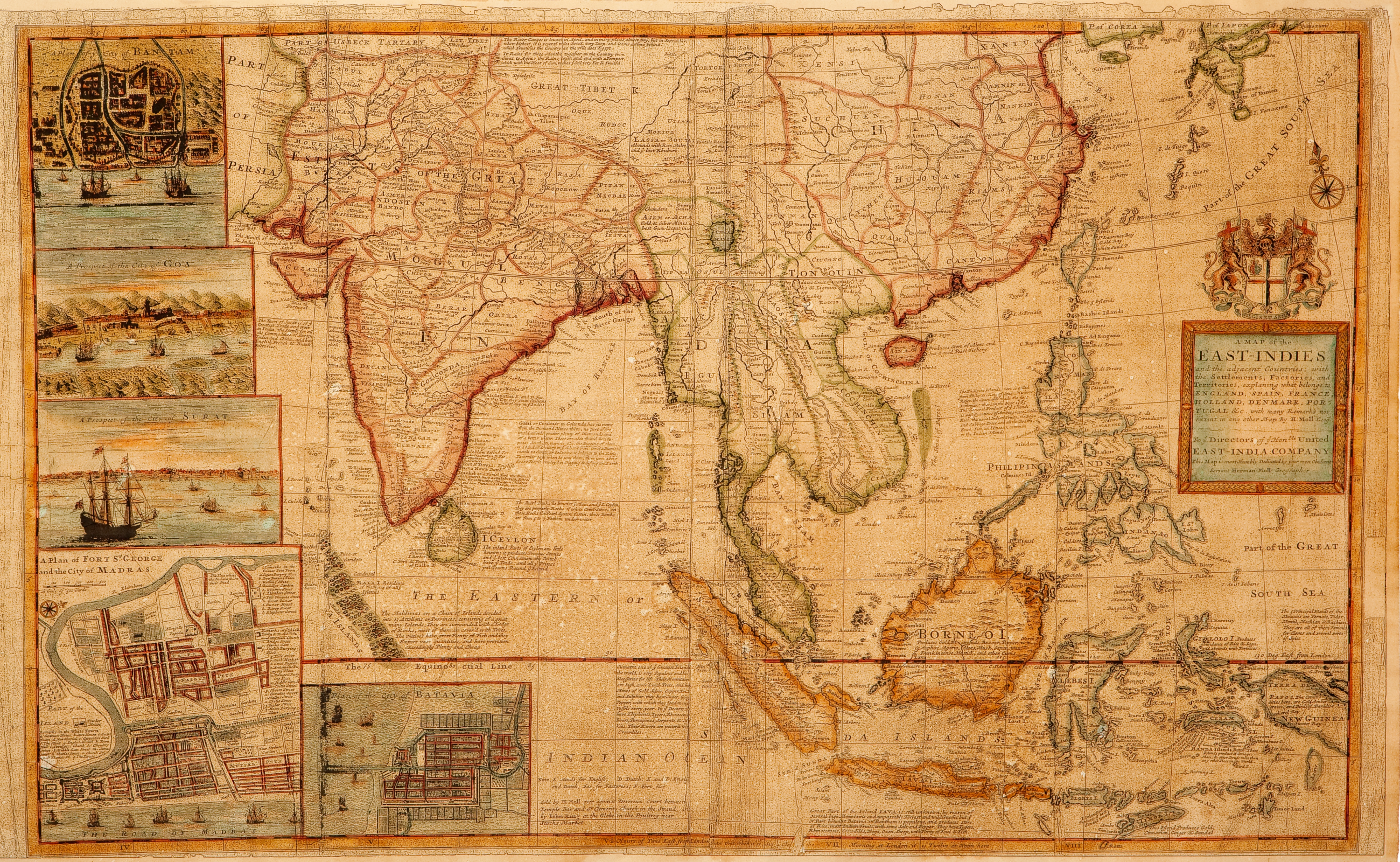
Ancient Greece map East-Indies and the Adjacent Countries – Herman Moll (c. 1687)

Map of ancient India 1687
*Creator: Herman Moll
*Publication Year: c. 1687
*Region Depicted: East Indies (Southeast Asia, primarily Malay Archipelago)
*Historical Context: European colonial expansion and trade in the East Indies.
*Key Features: Geographical boundaries, colonial possessions (English, Spanish, French, Dutch, Danish, Portuguese), settlements, factories, territories.
*Scale: Likely included on the original map.

Modern reconstruction of an ancient Greek trireme warship with three rows of oars and bronze ram

Trireme | Definition | Historical Context

“Trireme “ Term: Trireme Pronunciation: /ˈtraɪriːm/ (TRY-reem) Part of Speech: Noun Trireme Definition (Greek Context): A trireme was a formidable […]


Dying Gaul Sculpture

Dying Gaul Sculpture The Dying Gaul, Dying Galatian, Dying Gladiator, Dying Gaul Statue Sculpture Hellenistic Greek (Pergamon), Roman Copy Hellenistic […]


Curator | Definition | Historical Context

“Curator” Pronunciation: /ˈkjʊəreɪtər/ (kyoo-RAY-ter) Part of Speech: Noun Curator Definition: A curator is a person responsible for the care, management, […]


Assorted ancient pottery sherds with varied colors and patterns of ostracon

Ostracon | Definition | Historical Context

“Ostracon “ Term: Ostracon (plural: Ostraca) Pronunciation: /ˈɒstrəkɒn/ (OSS-truh-kon) Part of Speech: Noun Ostracon Definition: An ostracon is a fragment […]


A fully equipped Greek hoplite stands ready for battle, wearing a bronze muscle cuirass and Corinthian helmet, holding a dory spear and aspis shield adorned with a lambda emblem, with bronze greaves protecting his legs.

Hoplite | Definition | Historical Context

“Hoplite “ Term: Hoplite Pronunciation: /ˈhɒplaɪt/ (HOP-lyte) Part of Speech: Noun Hoplite Definition (Greek Context): A hoplite was a heavily […]


Hydria | Definition | Historical Context

“Hydria “ Term: Hydria (plural: Hydriai) Pronunciation: /ˈhɪdriə/ (HID-ree-uh) Part of Speech: Noun Hydria Definition (Greek Context): A hydria was […]


Archaeological Terms - Definitions and Glossary

Archaeological Terms

This glossary of Archaeological Terms offers a clear, organized reference for key archaeological terms spanning ancient cultures worldwide. Each entry […]


Ancient Greek terracotta lekythos (oil flask) with slender body, narrow neck, and single handle, decorated in red-figure technique showing figures against glossy black background.

Lekythos | Definition | Historical Context

“Lekythos “ Term: Lekythos (plural: Lekythoi) Pronunciation: /ˈlɛkɪθɒs/ (LEK-i-thoss) Part of Speech: Noun Lekythos Definition (Greek Context): A lekythos was […]


*"A man in an art gallery studies a wall of framed 19th-century landscape paintings while holding a printed guide."* Art Collection Definition

Collection | Definition | Historical Context

“Collection” Pronunciation: /kəˈlɛkʃən/ (kuh-LEK-shuhn) Part of Speech: Noun Collection Definition: A collection, in the context of museums, archives, and similar […]


Colony (Greek Colonization) | Definition | Historical Context

“Colony“ Term: Colony (Greek Colonization) Pronunciation: /ˈkɒləni/ (KOL-uh-nee) Colony Definition (Greek Colonization): In the context of ancient Greece, a colony […]


Amphora | Definition | Historical Context

“Amphora “ Term: Amphora (plural: Amphorae or Amphoras) Pronunciation: /ˈæmfərə/ (AM-fuh-ruh) Part of Speech: Noun Amphora Definition: An amphora is […]


Ruins of the ancient agora in Side with scattered marble columns, temple remnants, and a well-preserved Roman theater in the background

Agora | Definition | Historical Context

“Agora “ Term: Agora Pronunciation: /ˈæɡərə/ (AG-uh-ruh) Part of Speech: Noun Agora Definition (Greek Context): The agora was a central […]