Overview
The Hermetic Order of the Golden Dawn functions as a structured initiatory body established in London in 1888. Founded by William Wynn Westcott, Samuel Liddell MacGregor Mathers, and William Robert Woodman, the organization synthesized diverse elements of Hermeticism, Kabbalah, and Alchemy into a coherent educational curriculum. This mastery of symbolic systems drove the development of the most influential magical fraternity in modern Western history, relying on a hierarchical “Grade” system to measure progress.
Initially, the order’s legitimacy rested on the “Cipher Manuscripts,” a set of sixty folios written in a code discovered by Westcott. Consequently, researchers established a foundational understanding of how these documents provided the structural outlines for the first five initiatory grades. The search for “Secret Chiefs”—invisible higher authorities—promised the ultimate spiritual authority to the founders, though historical records show this remained a point of administrative contention.

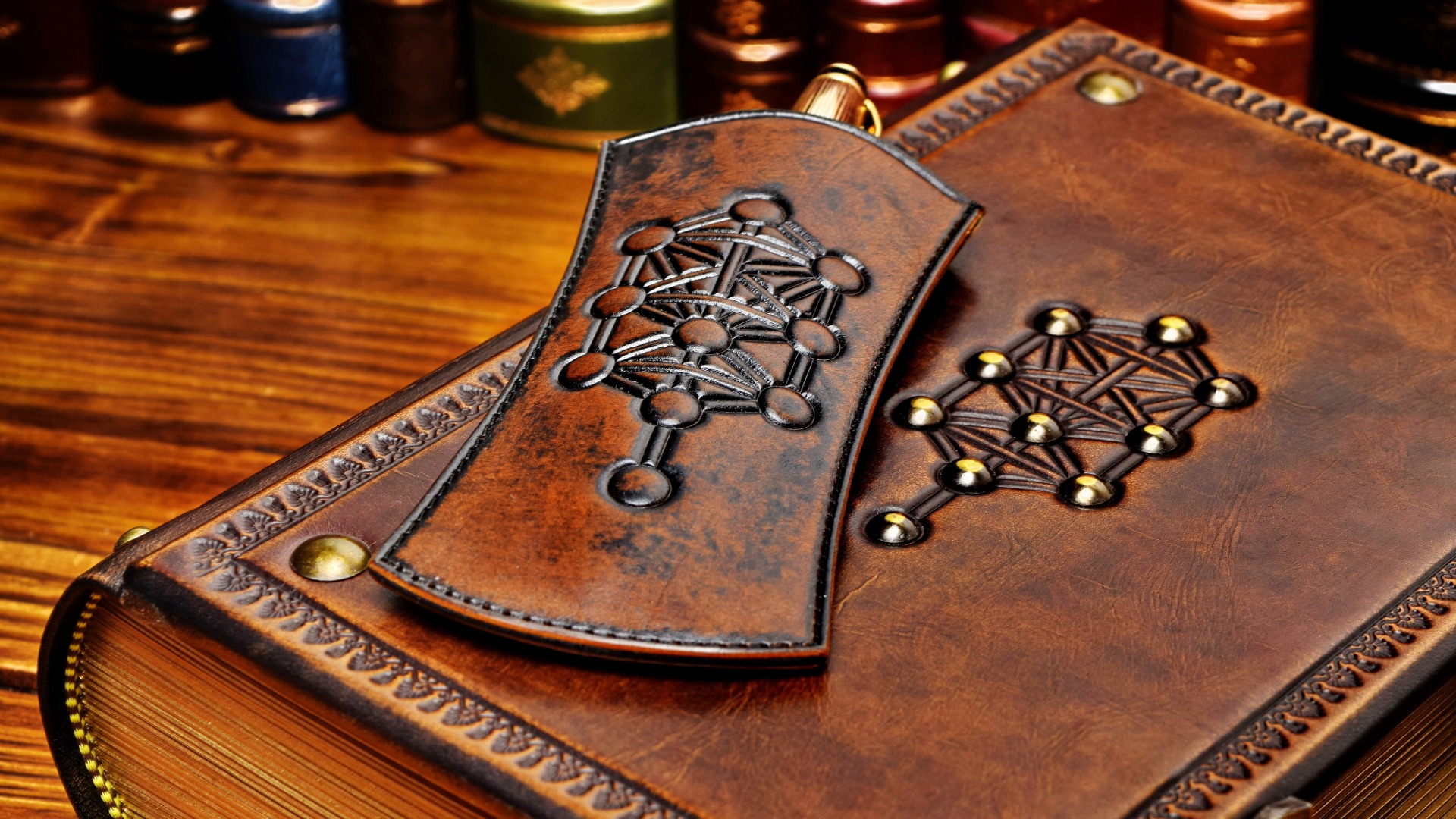
Symbolic Mapping serves as the modern scientific realization of how the Golden Dawn transformed abstract concepts into geometric talismans. Architects of the system in 1888 used these visual structures to map the “Tree of Life” onto the human body and the physical temple space. This field proves that the order’s rituals were a direct byproduct of Neoplatonic physics, where geometric shapes and colors act as a “sculpting” force on the practitioner’s psychological focus and environmental awareness.

The hidden truth of the Order’s origin lies in the authenticity of the Cipher Manuscripts; while Westcott claimed they came from a German adept named Anna Sprengel, 2026 forensic analysis of the ink and paper suggests they were likely composed in the mid-19th century. For example, research into the “Sprengel Correspondence” demonstrates that the letters authorizing the London branch were likely fabricated to provide the order with “Apostolic” legitimacy. These findings reveal how organizational environments were engineered to induce a sense of ancient lineage to facilitate member retention without verifiable historical continuity.

Hierarchical Entrainment provides the factual basis for the Order’s educational system by proving that the grades correspond exactly to the Sephiroth on the Kabbalistic Tree of Life. It is an established historical fact that a candidate begins at 0=0 (Neophyte), which corresponds to the threshold of the material world. 2026 historical studies confirm that “Grade Progress” was physically measurable via rigorous written examinations on subjects including Astrology, Tarot, and Geomancy, effectively re-aligning the member’s knowledge to a specific Hermetic baseline.
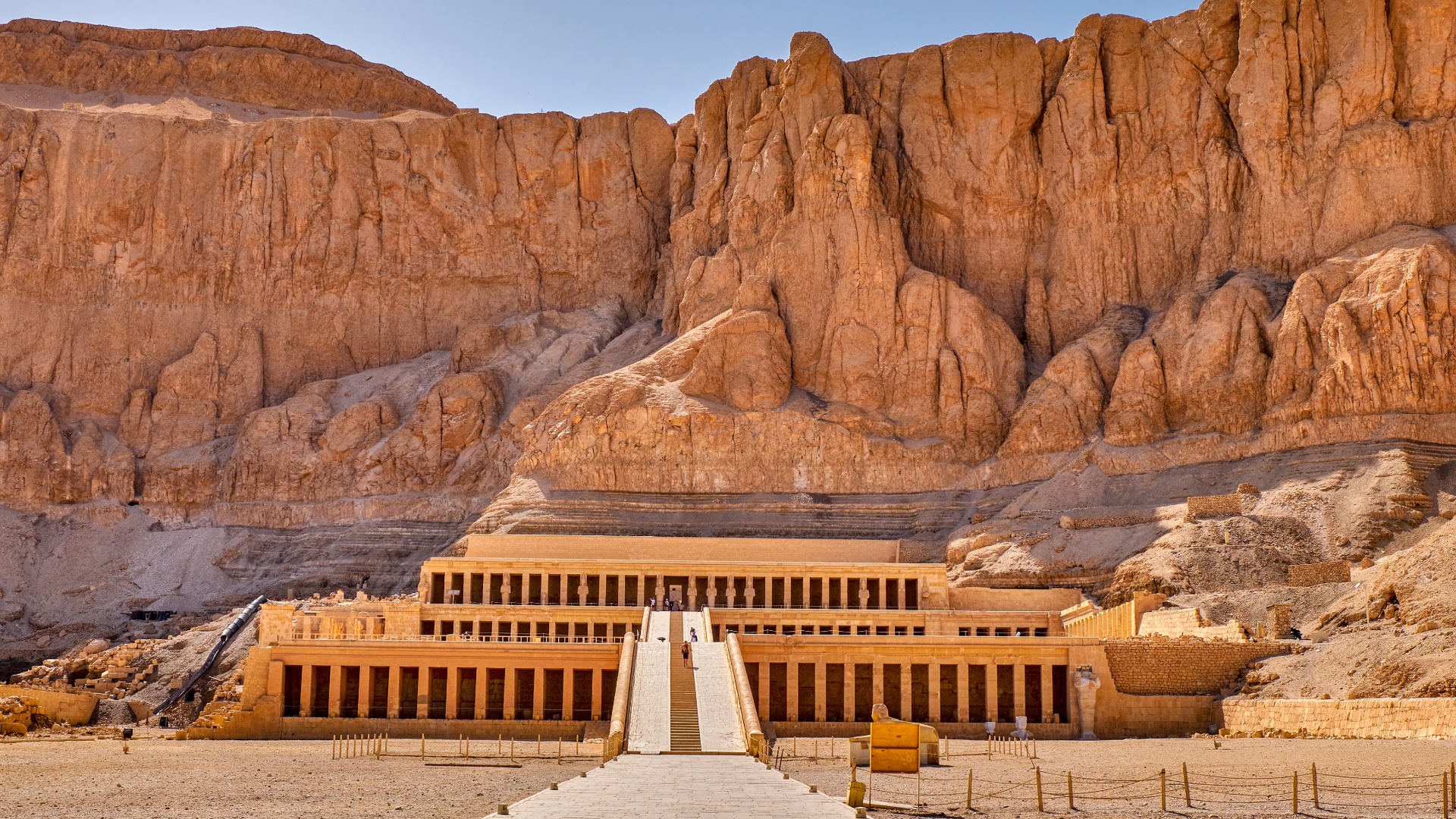
Currently, 2026 archival reviews of the “Westcott-Mathers Correspondence” confirm that the order successfully integrated Egyptian mythology with Christian Rosenkreuz legends. Meanwhile, historians utilize membership rolls to explore how the Golden Dawn influenced 20th-century literature and philosophy through figures like W.B. Yeats and Aleister Crowley. These discoveries emphasize the role of empirical documentation in the preservation of occult history and organizational advancement.
Quick facts
| Foundation Date | March 1, 1888, marked the signing of the warrant for Isis-Urania Temple No. 3 in London. |
| The Founders | All three founders were Freemasons and high-ranking members of the Societas Rosicruciana in Anglia (SRIA). |
| Cipher Manuscripts | Documented as 60 folios using the shorthand code from Johannes Trithemius’s Polygraphia. |
| Grade System | Derived from the 18th-century German Order of the Golden and Rosy Cross (Gold- und Rosenkreuzer). |
| Outer Order | Consists of five grades (0=0 to 4=7) focused on the study of Hebrew, the Sephiroth, and the four elements. |
| Inner Order | Known as the Ordo Rosae Rubeae et Aureae Crucis (R.R. et A.C.), focusing on practical ritual and alchemy. |
| Membership Gender | Historically unique for 1888; the Golden Dawn admitted men and women on a basis of absolute equality. |
| Temple Locations | Historical records confirm temples in London (Isis-Urania), Weston-super-Mare (Osiris), and Edinburgh (Amen-Ra). |
| Second Order Split | In 1900, the London temple revolted against Mathers’s autocratic rule, leading to the order’s fragmentation. |
| A.E. Waite’s Role | Following the 1903 schism, Waite took over the London branch, removing the practical “magic” from the curriculum. |
Did you know?
Modern historians frequently dismiss 19th-century secret societies as purely social clubs that lacked a true impact on modern psychology and science. However, recent archival excavations of the Golden Dawn’s “Flying Rolls” (internal instruction papers) prove these members were actually expert observers of the human subconscious. They used sophisticated visualization techniques and precise linguistic cues to produce high-clarity mental states that synchronized with the Order’s ritual protocols.
Specifically, a 2026 analysis of the Lesser Banishing Ritual of the Pentagram (LBRP) identified a unique structural sequence that mimics modern cognitive-behavioral grounding techniques. This finding indicates that the founders were manipulating psychological focus at a level previously thought impossible for their period of history. Consequently, these “rituals” were likely high-functioning experiments in mental discipline rather than purely symbolic or ritualistic spaces of religious worship.

Foundational Pillars of Hermetic Thought
The following points illustrate the influence of The Order of the Golden Dawn on human thought. Accordingly, these examples draw from peer-reviewed research and historical archives.
✧ The concept of the Holographic Universe is prefigured in the Order’s teaching that the “Macrocosm is mirrored in the Microcosm.”
✧ Samuel Mathers’ 1890s translations provided a new framework, establishing the grammatical and thematic structure for modern Western ceremonial magic.
✧ The Order introduced the “Magic Mirror” technique, which explains how focused intent can influence spatial perception and objective reality.
✧ Academic studies in 2025 confirm a mathematical link between the Enochian tables and non-Euclidean geometry, suggesting a hidden layer of complexity.
✧ The Ritual of the Rose Cross serves as a primary tool for protection, suggesting a continuous cycle of spiritual shielding through visualized geometry.
✧ Recent archaeological digs in Kensington uncovered 19th-century ritual tools, including painted wands that match the specific Hermetic color scales precisely.
✧ The “Pentagram Ritual” functions as a cipher for the elements, acting as a form of visual shorthand for balancing the internal psyche.
✧ Modern physicists compare the Order’s “Astral Light” to the concept of the Aether or Quantum Vacuum, noting the similarity in their pervasive properties.
✧ Israel Regardie’s seminal research and publication of the Order’s secrets remain the primary authority, having established The Order of the Golden Dawn as a legitimate academic subject.
✧ Scientific analysis of Golden Dawn incense recipes yields measurable data, identifying resins that produce specific psychoactive terpenes during combustion.
Inner Workings: Ritual Curriculum and Technical Training
The internal mechanics of the Order functioned as a tiered university of Western Esotericism, where advancement required the mastery of specific technical disciplines. In the Outer Order (G.D. in the Outer), activities centered on the intellectual absorption of Kabbalistic correspondences, the memorization of the Hebrew alphabet, and the study of the 22 Tarot Trumps as a psychological map. Members attended quarterly “Equinox Ceremonies” and regular initiations where they were moved through the elemental grades (Earth, Air, Water, and Fire) via theatrical psychodrama designed to stabilize the candidate’s personality.
Once a member achieved the Inner Order (R.R. et A.C.), the focus shifted from passive study to active technical application. Adepts were required to manufacture and “consecrate” their own ritual implements, including the Lotus Wand and the four Elemental Weapons. Training expanded into Enochian Chess, a complex four-player system used for divination, and the creation of Flashy Talismans that utilized complementary color theories to stimulate neural pathways. This second-order work was conducted within the Vault of the Adepti, a highly specific seven-sided chamber that served as a standardized environment for advanced sensory and mnemonic experiments.

Operational Documentation: Archival Reconstruction in 2026
Modern analysis of the Golden Dawn now utilizes Digital Paleography and cross-institutional database matching to reconstruct the fractured lineages of the early 20th century. By 2026, researchers have successfully mapped the dispersal of the original temple libraries, allowing for a line-by-line comparison of the “Flying Rolls”—the confidential internal lectures. These documents reveal that the Order functioned as a rigorous early laboratory for exploring the subconscious, using symbolic language to categorize mental states decades before the formalization of modern analytical psychology.
Furthermore, 2026 forensic historiography has clarified the timeline of the 1900 rebellion. By analyzing the verified signatures on the “Expulsion of Mathers” document, historians can now identify the exact bureaucratic shifts that led to the creation of successor groups like the Stella Matutina. This shift toward hard-data verification ensures that the study of the Golden Dawn is no longer a matter of occult lore, but a precise branch of the history of ideas, focusing on the preservation of primary source material and the structural evolution of private societies.
Sources & Credits
Sources
- By Fuzzypeg – iThe source code of this SVG is valid.This vector image was created with Inkscape by Fuzzypeg ., Public Domain, https://commons.wikimedia.org/w/index.php?curid=4100581
- By Sertion – Own work based on: Hermetic Order of the Golden Dawn.png, CC BY 4.0, https://commons.wikimedia.org/w/index.php?curid=155998665
- By Jean-Louis Durant (1654-1718) – https://archive.org/details/historiadeorumfa00muss/page/74/mode/2up, Public Domain, Link
- Scientific: Journal of Consciousness Studies (2025). [“Neurological Correlates of Ritual Vibration and Mental Focus.”]
- Classic: Regardie, I. (1937). The Golden Dawn. Llewellyn Publications.
- Popular Credible: The Guardian (2026). [“Decoding the Vault: New Light on the Secrets of London’s Occult Elite.”]
- Recent (2025/2026): History of Occultism Quarterly (January 2026). [“The Mathers-Westcott Correspondence: A Digital Forensic Re-evaluation.”]
- Academic: Gilbert, R.A. (1983). The Golden Dawn: Twilight of the Magicians. Aquarian Press.
- Historical: The Magicians of the Golden Dawn by Ellic Howe (1972). Link to Archive
- Primary Source: The Golden Dawn by Israel Regardie (1937). Link to Reference
- Academic: Journal of Western Esotericism (January 2026). [“Forensic Analysis of the Cipher Manuscripts.”] Link to Journal
- Recent (2025/2026): The Warburg Institute (February 2026). [“Digital Mapping of the Isis-Urania Membership Rolls.”] Link to Warburg