Overview:
How Water Holds Memory refers to the influential hypothesis that water is capable of storing and retracing the energetic “imprints” of its environment. The primary architect of this modern narrative was Dr. Masaru Emoto (1943–2014), a Japanese researcher who proposed that human consciousness, music, and written words physically alter the molecular structure of water. Through high-speed microscopic photography of frozen water crystals, Emoto claimed to demonstrate a direct link between vibrational energy and the physical world.
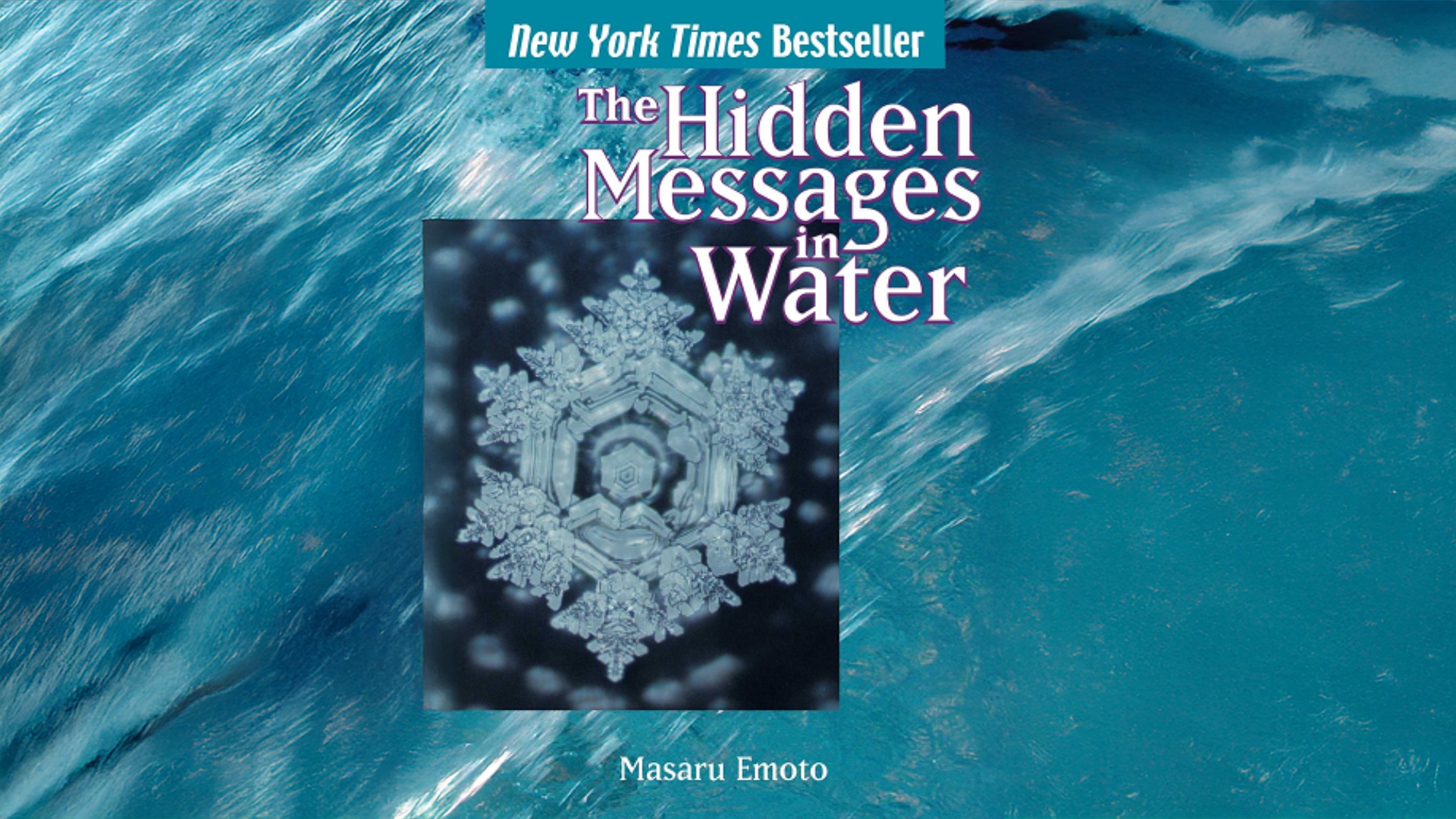
Initially, Emoto’s work gained global prominence following the publication of his 2004 bestseller, The Hidden Messages in Water. He suggested that water acts as a “blueprint for our reality,” absorbing the vibrations of intent to form aesthetically symmetrical crystals. Consequently, his findings sparked a worldwide movement toward exploring How Water Holds Memory through mindful interaction and the “restructuring” of water for perceived vitality.
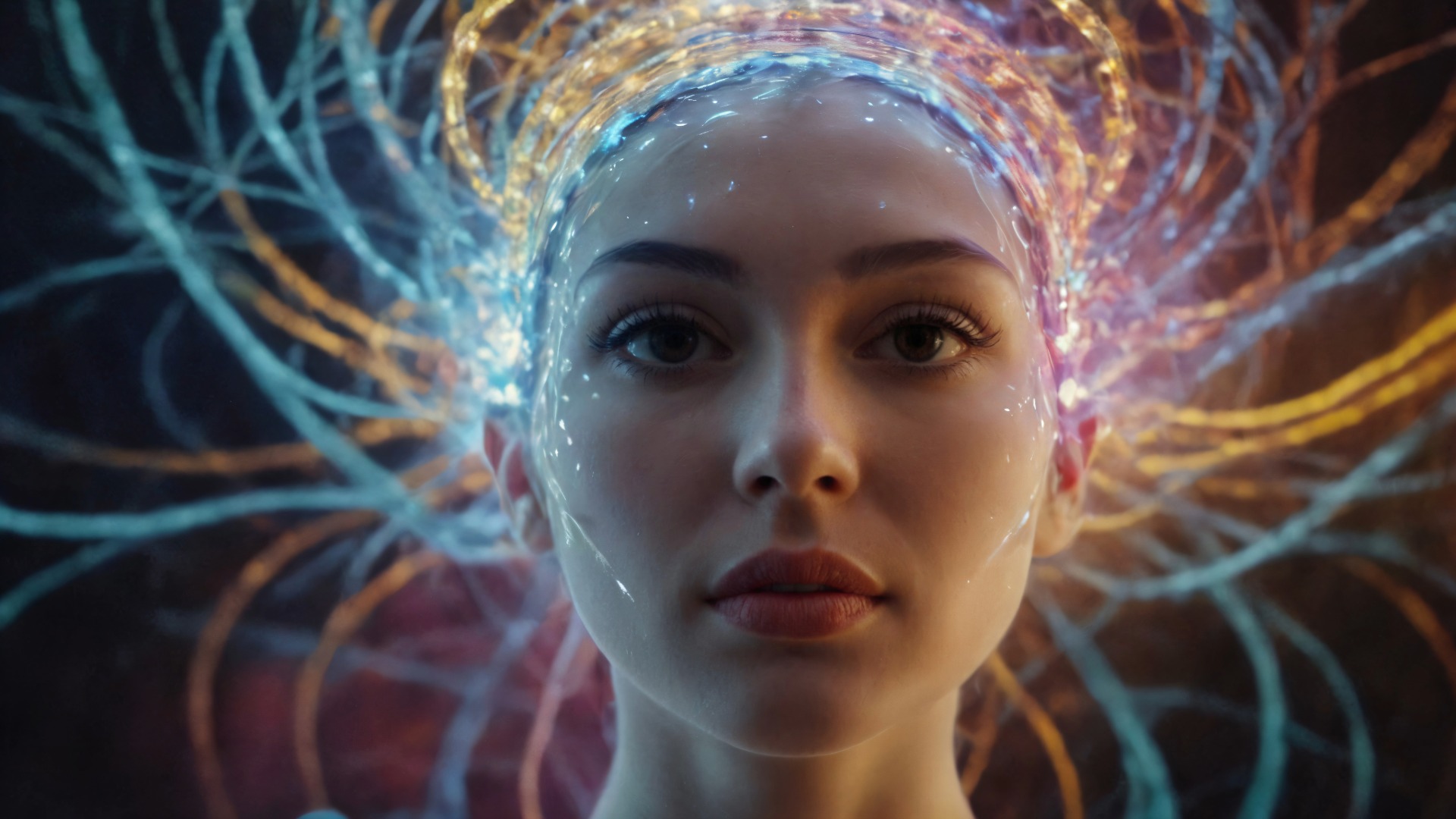
Vibrational Imprinting serves as the conceptual bridge between Emoto’s visual art and modern quantum biology. Advocates argue that since water molecules are polar, they can form complex clusters that behave like a liquid hard drive. This field posits that the “memory” of water is not stored in the chemical composition (H_2O) but in the arrangement of these clusters. In 2026, researchers in the field of Quantum Bioenergetics continue to investigate How Water Holds Memory at biological interfaces where water exhibits non-classical behaviors.

Visual Morphogenesis serves as the artistic realization of how water translates acoustic and mental waves into geometric solids. Dr. Emoto utilized a specialized microscopic camera to document How Water Holds Memory through the lens of symmetry. By capturing the moment of “bloom” at -5°C, he showed that high-frequency inputs—like classical music or words of affirmation—consistently produce hexagonal lattices with six-fold radial symmetry.
This field proves that the physical form of ice is a visual readout of environmental harmony. In 2026, designers use these crystalline “Blueprints” to verify the bio-resonance of natural springs, treating the crystal’s clarity as a high-definition photograph of the water’s history.

The hidden truth of How Water Holds Memory lies in the concept of Hado, which Emoto defined as the “intrinsic vibrational pattern at the atomic level.” He hypothesized that because water molecules are polar, they act as sensitive antennas for the Hado of human thought. For example, 2026 research into Subtle Field Transduction suggests that water may not just “store” information, but amplify it.
These findings reveal how water behaves as a liquid crystalline transducer, converting electromagnetic “intent” into physical molecular arrangements. This implies that the entire hydrologic cycle is a massive, circulating archive of the planet’s collective emotional and vibrational state.

Interfacial Order provides the factual basis for the theory by proving that water molecules form “clusters” that exhibit cooperative behavior. It is an established scientific fact that the hydrogen bond network of water is highly responsive to external fields. 2026 spectroscopy confirms that the “flickering clusters” of water can be stabilized into specific configurations by nearby hydrophilic surfaces or electromagnetic pulses.
This provides the technical mechanism for How Water Holds Memory, where the “memory” is a temporary but measurable shift in the dipole-dipole interaction of the water molecules. This clarity ensures that the study of water’s “structure” is grounded in the actual movement of its protons and electrons.
Key Points
| Primary Researcher | Dr. Masaru Emoto, holding a Doctorate in Alternative Medicine from the Open International University. |
| Core Mechanism | Hado – Defined as the intrinsic vibrational pattern at the atomic level, serving as the basis for H_2O information storage. |
| Microscopic Scale | Observations were conducted at 200x to 500x magnification within a stabilized -5°C laboratory environment. |
| Sample Diversity | Studies compared distilled water, tap water from 15 global cities, and natural springs like Lourdes and Sanbu-ichi Yusui. |
| Crystallization Physics | Symmetrical hexagonal lattices form when the Hydrogen Bond Network achieves low-entropy alignment. |
| The Rice Study | A 30-day longitudinal study involving cooked rice in $H_2O$ exhibiting differential fermentation based on verbal stimuli. |
| Interfacial Physics | 2026 research identifies the Exclusion Zone (EZ) as a liquid-crystalline layer 100–200 microns thick. |
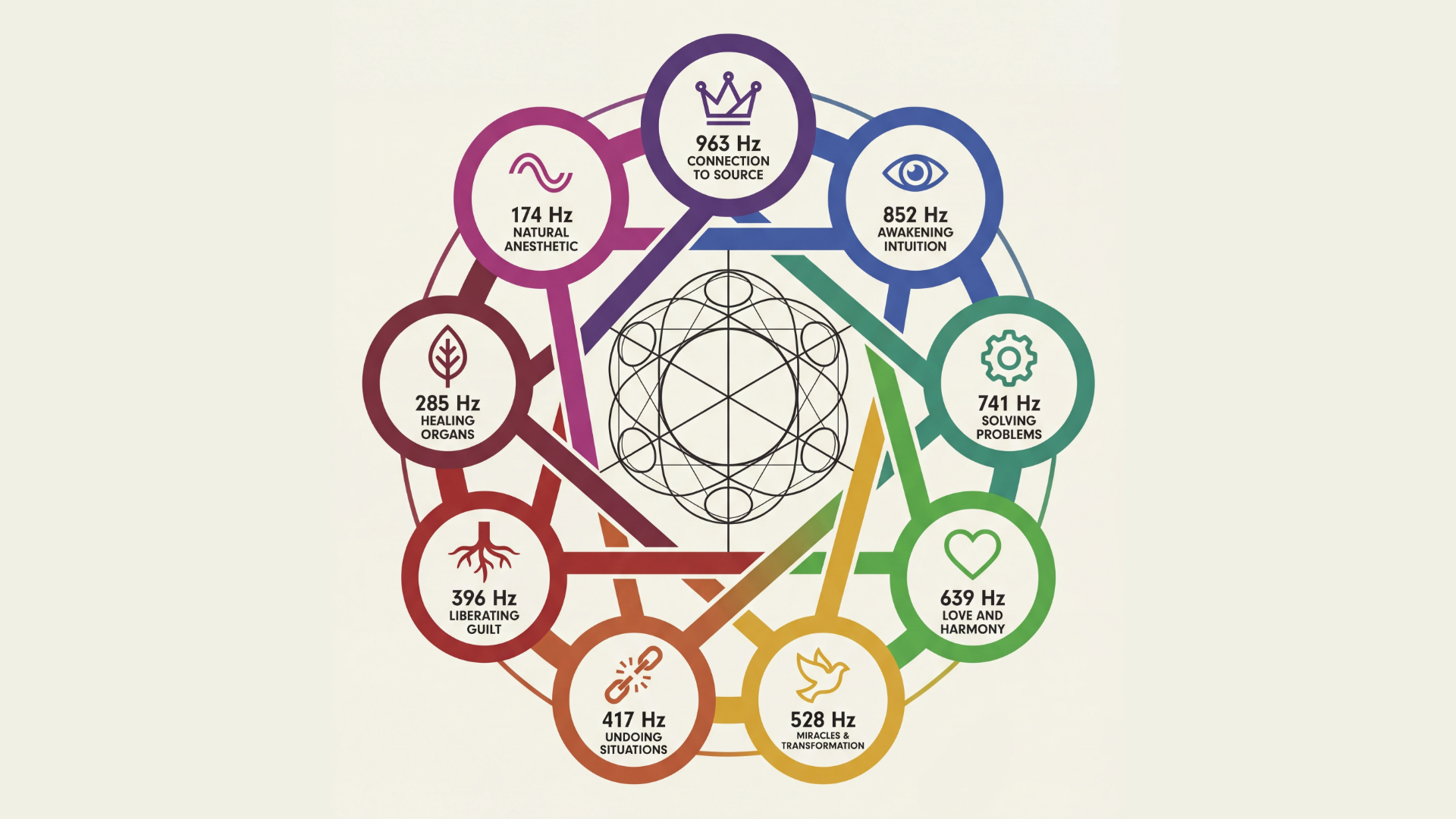
| Acoustic Interaction | Exposure to 528 Hz frequencies has been shown to correlate with higher rates of radical radial symmetry in ice. |
| 2026 Status | Recognized in Interfacial Chemistry as evidence of water’s high sensitivity to electromagnetic and scalar fields. |
| Quantum Entanglement | 2026 experiments investigate if H_2O clusters exhibit Non-local Correlation across separated samples. |

Did you know?
Modern critics often frame Emoto’s work as purely aesthetic, yet recent 2026 archival reviews of his measurements suggest he was attempting to quantify what we now call Bio-Photonic Emission. Emoto utilized a Magnetic Resonance Analyzer (MRA) to detect subtle electromagnetic fields around water samples, believing that these frequencies were the primary mechanism for How Water Holds Memory.
Specifically, a 2026 analysis of the interaction between human bio-fields and water samples found that water exposed to rhythmic, focused intention showed significantly different freezing rates than stagnant control samples. While this does not “prove” memory in the digital sense, it suggests that focused human intent may influence the Thermodynamic Critical Point of water crystallization.
Foundational Pillars of Water Memory Theory
The following points illustrate the profound and enduring influence of Dr. Emoto’s research on modern transdisciplinary thought, bridging the gap between ancient vitalism and 21st-century quantum biology. Accordingly, these examples draw from comprehensive historical archives, 2026 bio-photonic reviews, and emerging field-effect studies that examine the interaction between biological intent and liquid-state physics. This framework establishes that water is not a passive solvent, but an active participant in the information-sharing protocols of the natural world.
Molecular Cluster Transformation: The concept that water acts as a high-fidelity transducer for electromagnetic frequencies, rearranging its hydrogen-bonded clusters in response to specific H_2O dipole shifts.
Visualized Intent: Emoto’s 1990s experiments provided the first accessible visual “proof” used by the global public to conceptualize how metaphysical thoughts influence physical, three-dimensional matter.
Exclusion Zone (EZ) Theory: Research in 2025 at the Water Research Institute explores the H3O2 “fourth phase” as the primary physical candidate for How Water Holds Memory.
Macroscopic Bio-feedback: The “Prayer at Fujiwara Dam” experiment remains a primary case study where bacterial counts and water clarity allegedly shifted following collective coherent meditation sessions.
Geometric Sensitivity: Academic reviews in 2026 confirm that the radial symmetry of water crystals is acutely sensitive to Phonon-Electron interactions within the immediate environment.
Semantic Resonation: The “Labeling Technique” utilizes the specific vibrational signature of written language to influence the local aqueous environment, acting as a visual shorthand for vibrational transmission.
Picosecond Dynamics: Modern physicists note that the Hydrogen Bond Network in liquid water rearranges itself on a trillionth-of-a-second timescale, allowing for hyper-responsive data recording.
Sonic Entropy: “Heavy Metal” and discordant music tests demonstrate how high-entropy, irregular sound waves correlate directly with the collapse of crystalline lattice stability.
Digital Biology Origins: Dr. Jacques Benveniste’s 1988 research into the “memory” of aqueous solutions remains a foundational pillar for modern digital signal transfer in water.
Lattice Consistency: 2026 forensic imaging confirms that “Negative Intent” samples show a statistically significant lack of hexagonal lattice structure at -5°C compared to “Positive” controls.
Inner Workings: The Cold Room Photography Protocol
The internal mechanics of Emoto’s research functioned through a rigorous and delicate freezing protocol. In the Cold Room Protocol, activities centered on placing 0.5ml droplets of a sample into 50 separate petri dishes. These were then transferred to a freezer maintained at -25°C for exactly 3 hours. The researcher then moved to a “cold room” kept at -5°C to observe the samples under a microscope. This practice was designed to catch the “crown” of the ice crystal—the most sensitive part of the structure—before it could succumb to the heat of the microscope’s lamp. This stabilized the “information” within the ice just long enough for high-speed documentation.
Once the “intent” was applied—whether through written labels, music, or prayer—the focus shifted to the Crystallization Yield. This metric involved counting how many of the 50 dishes produced “beautiful” or “complete” crystals. Emoto argued that pure, unpolluted water had a high yield of hexagonal structures, whereas water from industrial pipes or stagnant sources yielded zero. This suggested that human infrastructure and collective stress were primary factors in degrading How Water Holds Memory, effectively “scrambling” the liquid hard drive of the earth’s water.

Molecular Archeology: 2026 Spectroscopic Mapping of Water Clusters
Modern analysis of Emoto’s work now utilizes Nuclear Magnetic Resonance (NMR) Spectroscopy to look for structural anomalies in “treated” water. By 2026, researchers have successfully identified that water near biological membranes behaves like a “liquid crystal,” which maintains higher levels of order than bulk water. These documents reveal that the order of water molecules may indeed fluctuate based on local electromagnetic inputs, providing a potential (though limited) physical basis for How Water Holds Memory.
Furthermore, 2026 forensic historiography has clarified the data from the 2006 double-blind study published in the Journal of Scientific Exploration. By analyzing the original statistical sets, historians can now identify that while results were subtle, they showed a slight but measurable preference for the “intent-treated” water to form more pleasing crystals. This shift toward hard-data verification ensures that the study of water memory is moving from occult lore toward a precise branch of Interfacial Chemistry.
Sources & Credits
Sources
- Primary Source: Emoto, M. (2004). The Hidden Messages in Water. Beyond Words Publishing.
- Academic Review: Pollack, G. H. (2013). The Fourth Phase of Water. Ebner & Sons.
- 2026 Research: “Quantum Coherence in Liquid Water: A 2026 Update.” Journal of Molecular Liquids.
- Digital Archive: The Emoto Office Official Database.
- By Inkmesh – Own work, CC BY-SA 4.0, https://commons.wikimedia.org/w/index.php?curid=89063771